
Best plastic surgeon in Riyadh: Factors to Discuss Before Surgery
Introduction to the Best Plastic Surgeon in Riyadh
Choosing the Best plastic surgeon in Riyadh involves more than looking at a procedure or comparing photographs. Before surgery, patients should understand the surgeon’s relevant qualifications, experience with the planned procedure, approach to patient assessment, surgical facility, consultation process, and follow-up arrangements. A detailed consultation creates an opportunity to discuss individual goals and determine whether the proposed treatment is appropriate.
Plastic surgery can involve reconstructive or aesthetic procedures, and every patient’s anatomy and objectives are different. The consultation should therefore focus on the patient’s specific circumstances rather than a standardized treatment plan. Patients can use this appointment to ask detailed questions about the procedure, preparation, recovery, expected outcomes, and long-term planning.
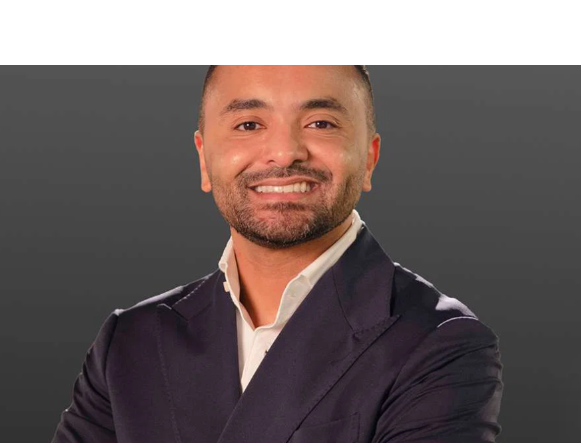
Best Plastic Surgeon Cost in Riyadh and What to Discuss
Best plastic surgeon cost in Riyadh can vary according to the procedure being considered, its complexity, surgical time, anesthesia, facility requirements, postoperative care, and whether additional procedures are included. Because plastic surgery encompasses many different procedures, there is no single cost that applies to every patient.
When consulting Dr. Hattan Aljaaly, patients can ask for a detailed explanation of the factors included in their proposed treatment cost. Understanding what is included can help patients compare treatment plans based on relevant information rather than focusing only on a quoted figure.
The total treatment cost may involve consultation, preoperative assessments, surgeon and facility fees, anesthesia, postoperative appointments, medications, garments where applicable, and other services. Patients should request clarification about these components before scheduling surgery.
Understanding the Best Plastic Surgeon in Riyadh
Best plastic surgeon in Riyadh is a search phrase patients may use when beginning their research, but the selection process should ultimately focus on verifiable professional information and individual suitability. A surgeon’s relevant training, qualifications, experience, surgical approach, and communication style are all factors worth discussing.
Patients should also consider whether the surgeon regularly performs the specific procedure they are interested in. Experience with one type of surgery does not automatically indicate equivalent experience with every other procedure.
A consultation should provide enough information for the patient to understand why a particular surgical approach is being proposed and how it relates to their anatomy and goals.
Qualifications and Professional Training
Discuss Relevant Surgical Qualifications
One of the first topics to discuss is professional training. Patients can ask about the surgeon’s medical education, specialist surgical training, certifications, and professional affiliations relevant to plastic surgery.
The information should be clear and verifiable. Patients can also ask how the surgeon maintains professional knowledge and stays current with developments in surgical techniques.
Ask About Procedure-Specific Experience
General plastic surgery experience is useful, but procedure-specific experience is particularly relevant. Someone considering rhinoplasty, facelift surgery, breast surgery, body contouring, or reconstructive surgery should ask about the surgeon’s experience with the specific procedure.
This discussion can help patients understand whether the surgeon’s professional background aligns with their particular treatment needs.
Discuss Surgical Approach
Different surgeons may use different techniques for the same procedure. Patients should ask why a particular approach has been recommended and whether alternatives are available.
Understanding the reasoning behind the proposed technique is more useful than simply choosing a procedure based on its name.
Discussing Your Surgical Goals
Explain What You Want to Improve
Patients should describe their primary concerns in clear terms. For example, someone considering facial surgery may want to address changes in facial contour, while someone considering body contouring may want to improve specific areas of excess tissue.
Specific goals help the surgeon determine whether the requested procedure is appropriate.
Explain What You Want to Preserve
It is equally important to discuss features that you want to maintain. Patients may want to preserve their natural facial expression, body proportions, or specific anatomical characteristics.
A good consultation should address both the desired changes and the features the patient wants to retain.
Bring Reference Photographs Carefully
Reference photographs can help communicate aesthetic preferences, but they should be treated as examples rather than promises of a specific result.
Every person’s anatomy is different. The surgeon should explain how realistic expectations can be established based on the patient’s individual structure.
Evaluating the Consultation Process
Does the Consultation Feel Personalized?
A consultation should involve a detailed assessment rather than a brief discussion focused only on price. The surgeon should understand the patient’s goals, medical history, previous procedures, and relevant concerns.
Patients should have enough time to ask questions and receive understandable answers.
Are Options Explained Clearly?
Surgery is not always the only possible approach. Depending on the concern, alternatives may include non-surgical treatment, different surgical techniques, staged procedures, or choosing not to proceed.
Patients should ask what options are available and why one approach may be more suitable.
Is the Treatment Plan Clearly Explained?
Before scheduling surgery, patients should understand what procedure is being proposed, which areas will be treated, what preparation is required, and what the recovery process may involve.
A written treatment plan can be useful when multiple procedures or stages are being considered.
Questions About Surgical Experience
How Often Is the Procedure Performed?
Ask how frequently the surgeon performs the procedure under consideration. This gives patients a clearer understanding of procedure-specific experience.
What Techniques Are Commonly Used?
Patients can ask which surgical techniques the surgeon commonly uses and what factors determine the selection.
How Is the Technique Customized?
A personalized approach considers anatomy, tissue characteristics, previous surgery, treatment goals, and other individual factors.
Can You Explain the Expected Treatment Process?
Patients should ask the surgeon to explain the procedure from preparation through follow-up. Understanding the sequence can make it easier to plan practically.
Understanding Surgical Facilities
Where Will the Surgery Take Place?
Patients should know the type of surgical facility where their procedure will be performed. The appropriate facility depends on the procedure, anesthesia requirements, and individual circumstances.
Who Will Be Part of the Surgical Team?
It can be useful to ask which medical professionals will participate in the procedure and what their roles will be.
What Anesthesia Will Be Used?
Depending on the procedure, different forms of anesthesia or sedation may be considered. Patients should ask which option is planned and why.
How Is Follow-Up Organized?
Follow-up arrangements are an important part of surgical planning. Patients should know where and when postoperative appointments will take place and whom they should contact with questions.
Discussing Your Medical History
Share Previous Surgeries
Patients should disclose previous surgeries, including cosmetic and reconstructive procedures. Previous operations can influence anatomy and surgical planning.
Provide a Complete Medication List
A complete list of prescription medicines, over-the-counter products, vitamins, and supplements should be shared during consultation.
Patients should not independently stop or change prescribed medications.
Discuss Relevant Health Information
Patients should provide accurate information about their general health, previous medical conditions, allergies, and relevant family history.
This information helps the medical team assess whether the planned procedure is appropriate and whether additional evaluation is needed.
Preparing for the Procedure
Understand Preoperative Instructions
Before surgery, patients may receive instructions regarding medications, food and drink, skincare, exercise, smoking, alcohol, and other lifestyle factors.
The exact instructions depend on the procedure and the patient’s individual circumstances.
Complete Required Assessments
Preoperative assessments may include laboratory testing, imaging, medical clearance, or other evaluations when clinically appropriate.
Patients should complete these requirements within the recommended timeframe.
Arrange Transportation
Depending on the procedure and anesthesia, patients may not be able to drive themselves home. Transportation should therefore be arranged before surgery.
Plan Support at Home
Some procedures require assistance during the early recovery period. Patients should consider arranging help with transportation, meals, household activities, and other practical responsibilities.
Understanding Recovery Expectations
Ask About the Initial Recovery Period
Recovery differs depending on the procedure and individual circumstances. Ask how much time you should expect to spend resting and when basic daily activities may resume.
Ask When You Can Return to Work
Return-to-work timing depends partly on the type of work you perform. Desk-based work and physically demanding jobs may require different recovery periods.
Discuss Exercise and Physical Activity
Patients should ask when walking, exercise, lifting, and more strenuous activities can be resumed. Following the individualized postoperative schedule is important.
Ask About Follow-Up Visits
A clear follow-up schedule allows the surgeon to monitor progress and answer questions during recovery.
Best Plastic Surgeon Cost in Riyadh: Comparing Treatment Plans
When reviewing Best plastic surgeon cost in Riyadh, patients should compare the complete treatment plan rather than looking at one number in isolation.
Ask What the Quoted Price Includes
Clarify whether the estimate includes the surgeon’s fee, facility charges, anesthesia, preoperative assessments, postoperative appointments, medications, and other relevant services.
Ask About Additional Costs
Patients should ask whether additional procedures, extended follow-up, special garments, or other services may create additional charges.
Consider the Procedure’s Complexity
More complex surgery may require additional planning, operating time, specialized equipment, or staged treatment. These factors can influence the overall cost.
Request a Written Estimate
A written estimate can make it easier to understand what has been discussed and what is included in the proposed treatment plan.
Communication With Dr. Hattan Aljaaly
Patients considering plastic surgery can discuss their goals and treatment options with Dr. Hattan Aljaaly during consultation.
Important topics can include the recommended procedure, alternative approaches, procedure-specific experience, preparation, recovery, follow-up, and cost.
A useful consultation is a two-way discussion. Patients should feel comfortable explaining their expectations and asking for clarification when medical terminology is unclear.
Questions to Ask Before Booking Surgery
Is This Procedure Appropriate for My Goals?
Ask why the proposed surgery is suitable for your specific concern and whether alternative approaches should be considered.
What Are the Main Steps of the Procedure?
Understanding the procedure’s general sequence can help patients prepare mentally and practically.
How Should I Prepare?
Ask for specific instructions about medications, diet, activity, skincare, smoking, alcohol, and other relevant preparation factors.
What Should I Expect During Recovery?
Discuss the expected recovery timeline, follow-up visits, activity restrictions, work schedule, and practical requirements.
How Is My Progress Monitored?
Ask how follow-up is structured and when postoperative assessments are normally scheduled.
Reviewing Before-and-After Photographs
Understand What Photographs Can Show
Before-and-after photographs can demonstrate the types of changes associated with a procedure. However, they should not be interpreted as guarantees of a specific outcome.
Look for Similar Cases
If photographs are reviewed during consultation, patients can ask whether examples are available that involve similar anatomy, treatment goals, or procedures.
Ask About Individual Differences
A surgeon should explain how factors such as anatomy, skin characteristics, previous surgery, and age-related changes can affect the final appearance.
Setting Realistic Expectations
Understand Anatomical Limitations
Surgery can modify tissues, but it cannot completely change every anatomical characteristic. A realistic treatment plan accounts for the patient’s existing structure.
Focus on Improvement Rather Than Perfection
Plastic surgery is generally planned around improvement of specific concerns. Patients should discuss what degree of change is realistic for their circumstances.
Discuss Long-Term Expectations
Some procedures can provide long-lasting changes, but natural aging and changes in body composition continue over time. Ask how the procedure may fit into your long-term aesthetic goals.
Making the Final Decision
Take Time to Review Information
Patients do not necessarily need to make a decision during their first consultation. Reviewing the proposed treatment plan and discussing it with trusted people may help with the decision-making process.
Compare Relevant Professional Information
When researching surgeons, compare verifiable qualifications, procedure-specific experience, consultation information, treatment plans, facility details, and follow-up arrangements.
Avoid Choosing Only on Price
Cost is an important practical consideration, but it should be considered alongside professional qualifications, procedure-specific experience, treatment planning, and postoperative care.
Best Plastic Surgeon in Riyadh: A Practical Evaluation Checklist
When researching the Best plastic surgeon in Riyadh, patients can consider the following questions:
- Does the surgeon have relevant specialist training?
- Is their experience relevant to the procedure you are considering?
- Is the proposed treatment customized to your anatomy?
- Are alternative approaches explained?
- Is your medical history reviewed carefully?
- Are preparation instructions clear?
- Is the surgical facility appropriate for the procedure?
- Are anesthesia arrangements explained?
- Is postoperative follow-up clearly planned?
- Are costs explained transparently?
- Are realistic expectations discussed?
- Do you have enough time to ask questions?
This checklist can help organize the information collected during consultations without relying on a single factor.
Preparing for a Confident Consultation
Write Down Your Questions
Before the appointment, prepare a list of questions about the procedure, preparation, recovery, cost, and follow-up.
Bring Relevant Medical Information
Bring information about previous procedures, medications, allergies, and relevant medical records when requested.
Explain Your Priorities Clearly
Tell the surgeon what you want to change and what you want to preserve. Clear communication helps create a more personalized discussion.
Ask for Clarification
If you do not understand a medical term or part of the treatment plan, ask for an explanation in simple language. You should understand the proposed procedure before making a final decision.
Conclusion: Choosing the Best Plastic Surgeon in Riyadh
Choosing the Best plastic surgeon in Riyadh should involve careful research and a detailed consultation rather than relying on one factor such as price or online photographs. Relevant qualifications, procedure-specific experience, personalized treatment planning, communication, facility arrangements, and follow-up care are all useful topics to discuss before surgery.
Patients should also understand the factors influencing Best plastic surgeon cost in Riyadh and request clear information about what is included in the proposed treatment estimate. A detailed financial discussion can make the overall treatment plan easier to understand.
A consultation with Dr. Hattan Aljaaly can provide an opportunity to discuss individual goals, medical history, procedure options, preparation, recovery, follow-up, and expected costs. Taking time to ask detailed questions and understand the proposed treatment pathway can help patients make an informed decision that reflects their own goals and circumstances.
Frequently Asked Questions About the Best Plastic Surgeon in Riyadh
1. How do I choose the Best plastic surgeon in Riyadh?
Start by reviewing relevant qualifications, specialist training, procedure-specific experience, consultation approach, surgical facility arrangements, and follow-up care. A detailed consultation can help determine whether the surgeon’s approach matches your needs.
2. What factors affect Best plastic surgeon cost in Riyadh?
Best plastic surgeon cost in Riyadh can depend on the procedure, complexity, surgical time, anesthesia, facility, preoperative assessments, postoperative care, and whether additional procedures are included.
3. What should I discuss during my plastic surgery consultation?
Discuss your goals, medical history, previous procedures, medications, recommended technique, alternatives, preparation, recovery, follow-up, and complete treatment cost.
4. Should I ask about the surgeon’s experience with my specific procedure?
Yes. Procedure-specific experience is an important topic to discuss because different plastic surgery procedures require different technical approaches and considerations.
5. What medical information should I provide before surgery?
Provide information about previous surgeries, medical conditions, allergies, prescription medications, over-the-counter medicines, vitamins, and supplements.
6. Can I compare different plastic surgery techniques?
Yes. Patients can ask whether alternative techniques are available and why one approach is being recommended for their anatomy and goals.
7. What should I ask about the surgical facility?
Ask where the procedure will take place, what type of facility is being used, who will participate in the surgical team, what anesthesia is planned, and how follow-up will be handled.
8. Should I ask for a written cost estimate?
Yes. A written estimate can clarify which services are included and whether certain expenses may be separate.
9. How can I prepare for a plastic surgery consultation?
Write down your goals and questions, prepare your medical history and medication list, and bring relevant previous medical or surgical records when requested.
10. Why is communication important when choosing the Best plastic surgeon in Riyadh?
Clear communication allows patients to understand the proposed procedure, explain their expectations, ask questions, discuss alternatives, and understand preparation, recovery, follow-up, and cost before making a decision.