
Chhath Puja 2026: A Guide to Offering Arghya to the Sun
Chhath Puja is one of the most meaningful Hindu festivals dedicated to Lord Surya (the Sun God) and Chhathi Maiya. The festival celebrates gratitude, purity, discipline, and devotion through fasting, traditional offerings, and prayers to the rising and setting Sun. One of its most important rituals is offering Arghya, a sacred offering of water made during sunrise and sunset.
Chhath Puja 2026 will be observed from November 13 to November 16, with Sandhya Arghya on November 15 and Usha Arghya on November 16. Whether you celebrate in India or abroad, understanding the correct rituals and preparations can help you observe this beautiful festival with devotion. Sadhana brings you this helpful guide to understanding the significance, preparations, and traditional practices of offering Arghya.
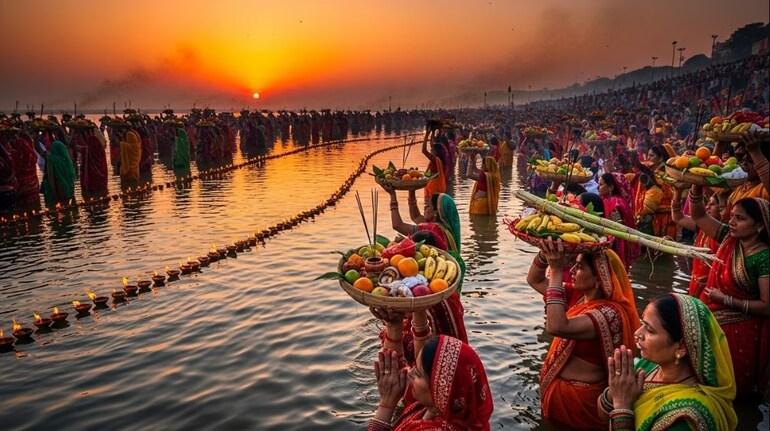
What Is Chhath Puja 2026 and Why Is Offering Arghya Important?
Chhath Puja is a four-day Hindu festival dedicated to Lord Surya and Chhathi Maiya. Offering Arghya means presenting water and other traditional offerings to the Sun as a symbol of gratitude, respect, and devotion.
The ritual is performed twice during the festival’s main worship period: once in the evening when the Sun sets and again in the early morning when the Sun rises. Devotees believe these offerings express gratitude for the Sun’s life-giving energy, health, prosperity, and the well-being of their families.
For many families, Chhath Puja is also an opportunity to preserve cultural traditions and pass religious values to younger generations.
Sandhya Arghya vs Usha Arghya: What’s the Difference?
Both rituals are essential parts of Chhath Puja, but they take place at different times and carry distinct symbolic meanings.
Sandhya Arghya: This is the evening offering made to the setting Sun on the third day of the festival. Devotees gather near rivers, ponds, lakes, or other clean water bodies and offer prayers while standing in the water.
Usha Arghya: This is the morning offering made to the rising Sun on the final day. It represents gratitude, new beginnings, hope, and the completion of the main Chhath observance.
Both rituals reflect devotion and respect for nature.
What Are the Important Dates for Chhath Puja 2026?
Chhath Puja 2026 takes place over four days, with each day having a particular ritual and spiritual significance.
The main observances are:
- November 13, 2026 – Nahay Khay: Devotees take a ritual bath and prepare for the festival.
- November 14, 2026 – Lohanda and Kharna: Devotees prepare traditional prasad and begin the main period of fasting.
- November 15, 2026 – Sandhya Arghya: Evening prayers and offerings are made to the setting Sun.
- November 16, 2026 – Usha Arghya: Devotees offer prayers to the rising Sun and complete the main fasting ritual.
These dates follow the 2026 Chhath calendar. Exact sunrise and sunset times depend on your location, so devotees should check their local Panchang before preparing for Arghya.
Why Are Sunrise and Sunset Important During Chhath Puja?
Sunrise and sunset represent two important moments in the daily cycle of nature. During Chhath Puja, devotees worship the setting Sun as well as the rising Sun, expressing gratitude for both the completion of the day and the beginning of a new one.
This practice makes Chhath Puja distinctive because both the evening and morning offerings receive special importance.
How to Offer Arghya During Chhath Puja 2026?
Offering Arghya is a sacred ritual that requires preparation, cleanliness, and devotion. Families usually prepare their offerings in advance to ensure everything is ready before reaching the designated worship location.
Here is a simple guide to understanding the traditional process.
1. Prepare the Chhath Puja Samagri
Before the ritual, arrange all necessary puja items. Traditional offerings may include:
- A bamboo soop or basket.
- A lota or vessel filled with clean water.
- Thekua and other traditional prasad.
- Seasonal fruits such as bananas, coconuts, apples, and sugarcane.
- Flowers and leaves used in the family tradition.
- A diya and cotton wicks.
- A clean cloth for arranging the offerings.
The exact items can vary according to regional customs and family traditions.
2. Clean and Arrange the Offerings
Cleanliness is an important part of Chhath Puja. Wash the fruits and other offerings properly and arrange them neatly in a soop or basket.
Keep the items separate and ensure that the prasad is prepared in a clean environment. Many families follow traditional preparation methods passed down through generations.
3. Reach the Water Body Before Sunset
On Sandhya Arghya day, devotees visit a riverbank, pond, lake, or another suitable clean water location before sunset.
The Chhath ghat is traditionally decorated with flowers, diyas, and other festive arrangements. Devotees stand in the water, arrange their offerings, and prepare to worship the setting Sun.
If a natural water body is unavailable, families may arrange a safe and clean alternative according to their traditions.
4. Offer Arghya to the Setting Sun
As the Sun approaches the horizon, devotees hold a vessel containing clean water and offer Arghya while praying to Lord Surya.
Family members may accompany the person observing the fast and participate in the prayers. The offerings are presented with devotion, and traditional Chhath songs are often sung during the ritual.
5. Perform Usha Arghya the Following Morning
On the final day, devotees gather before sunrise to offer Arghya to the rising Sun.
The morning ritual follows a similar process, with prayers, water offerings, and traditional prasad. After completing the worship, devotees perform Parana according to their family customs and the guidance they follow.
6. Complete the Ritual With Gratitude
After Usha Arghya, families conclude the main observance and share prasad with relatives, friends, and other devotees.
This sharing represents togetherness, gratitude, and the spirit of community that makes Chhath Puja so special.
What Is the Spiritual Significance of Arghya in Chhath Puja?
Arghya is more than a traditional offering. It represents gratitude towards the natural forces that support life and the belief in the Sun as a source of energy, strength, and prosperity.
Why Do Devotees Worship Both the Rising and Setting Sun?
Worshipping the setting Sun expresses gratitude for the blessings received throughout the day. Worshipping the rising Sun represents hope, renewal, and prayers for a positive future.
Together, these rituals remind devotees to appreciate nature and maintain a sense of gratitude in everyday life.
Chhath Puja 2026 and the Importance of Devotion
During Chhath Puja 2026, devotees will once again come together to observe these meaningful traditions. The rituals encourage patience, discipline, family unity, and respect for the environment.
For people living away from their hometowns, celebrating Chhath Puja can also help maintain an emotional connection with their cultural roots.
How Can You Prepare for Chhath Puja 2026 at Home or Abroad?
Celebrating Chhath Puja outside traditional festival regions may require additional planning. However, families can still observe the important rituals by arranging suitable puja items and following their customs.
Here are some practical preparation tips:
- Plan your puja items early: Prepare a list of fruits, bamboo baskets, traditional prasad ingredients, and other essentials.
- Arrange a clean worship area: Choose a suitable location for prayers and offerings.
- Prepare traditional prasad: Make thekua and other festive foods according to family recipes.
- Check local sunrise and sunset times: Arghya is connected to the actual sunrise and sunset in your area.
- Follow family traditions: Consult elders or experienced family members if you are unsure about any ritual.
- Maintain cleanliness: Keep the preparation area and offerings clean throughout the observance.
Sadhana encourages families to keep their festive preparations connected to the traditions, foods, and cultural practices that make Chhath Puja meaningful.
The Importance of Traditional Offerings and Sadhana
Traditional offerings are an important part of the Chhath experience. From fresh fruits and sugarcane to homemade thekua, every item reflects the simplicity and devotion associated with this festival.
For families preparing for Chhath Puja, Sadhana celebrates the value of traditional festive essentials and the cultural connection they bring to special occasions.
Whether you are preparing a family celebration in India or observing the festival abroad, choosing familiar traditional ingredients and following meaningful family customs can make the occasion feel more connected to home.
Conclusion
Chhath Puja 2026 is a beautiful celebration of devotion, gratitude, discipline, and respect for nature. Offering Arghya to the setting and rising Sun is the central part of the festival, reminding devotees to appreciate the blessings of life and pray for the happiness and well-being of their families.
From preparing traditional samagri to performing Sandhya Arghya and Usha Arghya, every ritual carries a special meaning.
Key takeaways from this guide:
- Chhath Puja 2026 will be observed from November 13 to November 16.
- Sandhya Arghya will take place on November 15.
- Usha Arghya will be performed on November 16.
- Traditional offerings include fruits, thekua, sugarcane, flowers, and water.
- Cleanliness, devotion, and family traditions are central to the festival.
Celebrate the spirit of Chhath Puja with Sadhana. Explore traditional festive essentials and make your preparations meaningful while keeping your cultural traditions alive.
Frequently Asked Questions About Chhath Puja 2026
1. When Is Chhath Puja 2026?
Chhath Puja 2026 will be celebrated from November 13 to November 16. Nahay Khay falls on November 13, Kharna on November 14, Sandhya Arghya on November 15, and Usha Arghya on November 16.
2. What Is the Meaning of Arghya in Chhath Puja?
Arghya is a sacred offering of water made to Lord Surya during Chhath Puja. It represents gratitude, devotion, and respect for the Sun’s life-giving energy. Devotees traditionally offer Arghya during sunset and sunrise.
3. What Is the Difference Between Sandhya Arghya and Usha Arghya?
Sandhya Arghya is offered to the setting Sun on the evening of November 15, 2026. Usha Arghya is offered to the rising Sun on the morning of November 16, 2026. Both rituals are essential parts of Chhath Puja.
4. What Items Are Required for Chhath Puja Arghya?
Common items include a bamboo soop, fruits, sugarcane, thekua, flowers, a water vessel, a diya, and other traditional offerings. Requirements may vary according to regional and family customs.
5. How Does Sadhana Help With Chhath Puja Preparations?
Sadhana celebrates traditional festive essentials and the cultural values associated with Indian festivals. Families can use their festive planning to keep traditional food preparations, offerings, and meaningful customs connected to their Chhath Puja celebrations.
6. Can Chhath Puja Be Celebrated Outside India?
Yes. Families living abroad can observe Chhath Puja by arranging traditional offerings, preparing prasad, and following the rituals according to their customs. They should check local sunrise and sunset times and choose a safe, clean location for the Arghya ceremony.
About the Author
[Author Name] is a Festival and Culture Writer at Sadhana, focusing on Indian festivals, traditional foods, cultural celebrations, and festive preparations. Through informative articles, the author aims to help readers understand and celebrate India’s rich cultural heritage.