
Gigli Saw Blade: Uses, Features, and Importance in Surgical Procedures
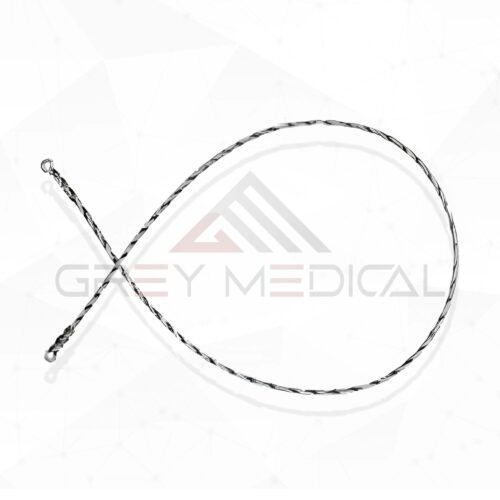
Precision and reliability are essential in surgical procedures, especially when working with bone. A gigli saw blade is a specialized surgical instrument designed to help surgeons perform controlled bone-cutting procedures. Its flexible wire construction and fine cutting teeth make it a valuable tool in various surgical applications. Understanding its design, uses, and important features can help medical professionals choose suitable surgical instruments for their clinical requirements.
What Is a Gigli Saw Blade?
A Gigli saw is a flexible surgical wire saw traditionally used for cutting bone during certain surgical procedures. The gigli saw blade consists of a thin, flexible metal wire with small cutting teeth along its length. It is generally used with specially designed handles that allow surgeons to guide the wire through the required surgical area.
Its flexible design makes it particularly useful when access is limited and a conventional rigid saw may be difficult to position. The instrument is commonly associated with orthopedic, neurosurgical, and other specialized surgical applications.
Common Uses of a Gigli Saw Blade
Gigli saws have been used in different surgical settings where controlled bone cutting is required. Their flexible construction allows them to work around anatomical structures that may be difficult to approach with larger instruments.
Some traditional applications include:
- Craniotomy procedures: Used in selected surgical techniques involving skull bone.
- Orthopedic surgery: Applied in certain procedures requiring bone division.
- Specialized surgical procedures: Used when a flexible wire-cutting instrument is appropriate.
The specific application depends on the surgical technique, patient requirements, and the surgeon’s professional judgment.
Important Features to Consider
When selecting a surgical wire saw, medical professionals should consider several factors. Material quality is particularly important because surgical instruments must meet demanding standards for durability and performance.
A quality gigli saw blade should have consistent wire construction, properly formed cutting teeth, and a design suitable for its intended application. Compatibility with the appropriate handles is another important consideration.
Medical professionals should also review the manufacturer’s specifications, including material composition, intended use, and whether the instrument is designed for single-use or reusable applications.
Proper Handling and Instrument Quality
Surgical instruments require careful handling, storage, and maintenance. Reusable instruments should be cleaned, inspected, and sterilized according to the manufacturer’s instructions and applicable clinical guidelines.
Before use, professionals should check the wire for visible damage, deformation, or other defects. Any instrument that shows signs of wear should be evaluated and replaced when necessary.
Choosing dependable surgical instruments supports consistent clinical workflows and helps medical teams maintain appropriate standards of care.
Why Choose Grey Medical®?
Grey Medical® is a privately owned medical technology company dedicated to innovation and excellence in the craft of rob sprader.
The company emphasizes quality, functionality, and attention to detail across its range of medical and surgical instruments. Healthcare professionals can explore suitable products while considering their specific clinical requirements and instrument preferences.
Conclusion: Choosing the Right Gigli Saw Blade
A gigli saw blade remains an important specialized instrument in surgical history and selected modern surgical applications. Its flexible design, cutting wire, and ability to navigate restricted spaces make it useful for particular bone-cutting techniques.
By considering material quality, construction, compatibility, and proper maintenance, healthcare professionals can make informed decisions when selecting surgical instruments. Grey Medical® is committed to innovation and excellence in surgical instrument craftsmanship.