
How Do Bottle Closures Protect Contents While Supporting Controlled Dispensing?
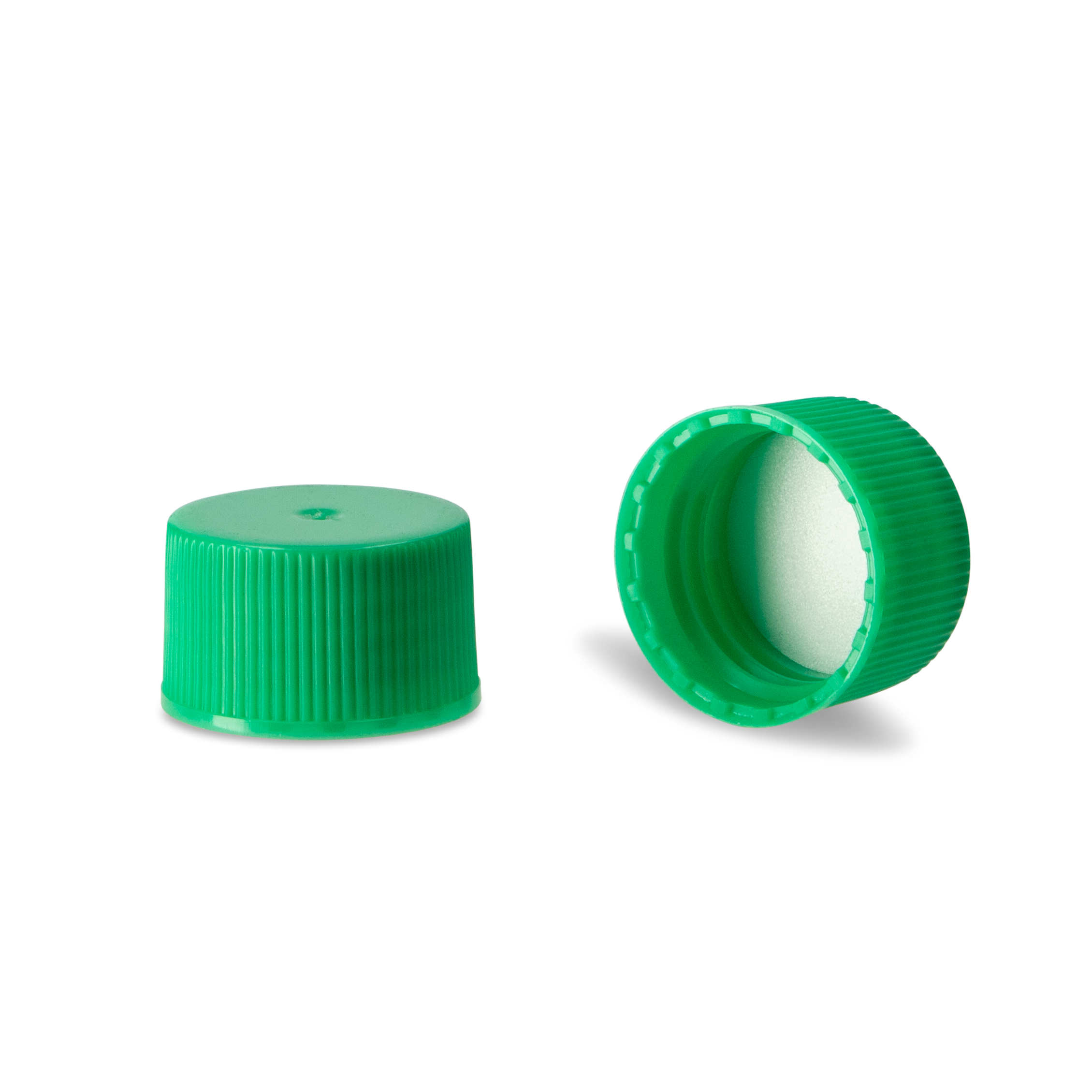
Matching Neck Finish, Sealing Interface and User Function as One Packaging System
A bottle cannot protect its contents if the closure does not fit, seal or operate as intended. Bottle Closures include screw caps, droppers, dispensing pumps, spray components and tamper-evident formats for laboratory, packaging and technical workflows. Selection begins with the bottle neck, but must also account for the contents, liner, opening method and expected conditions.
What Is the Main Function of a Bottle Closure?
The primary role of a closure is to maintain a controlled barrier at the bottle opening. That barrier may need to limit leakage, moisture entry, contamination, evaporation or accidental opening. Some formats also meter, spray, pump or drop the contents, making the closure part of the delivery system.
One product may perform several functions, but no closure should be assumed suitable for every substance. The complete bottle-and-closure combination must be evaluated because the neck, sealing surface and contents all influence performance.
Why Is Neck-Finish Compatibility Essential?
Neck size alone does not define a correct fit. Thread style, pitch, height, sealing land and tolerances must correspond with the closure design. Designations such as GL, RD or fraction-style descriptions identify different neck systems and require specification checks.
A cap may appear to tighten on the wrong thread, creating uneven loading, incomplete liner compression or delayed damage. Teams comparing the broader Closures range should match specifications rather than rely on visual similarity.
How Does the Sealing Interface Work?
Closures can create a seal through a liner, plug, inner cone, sealing ring or direct contact between designed surfaces. A compressible liner may accommodate small irregularities, while an inner-cone design can seal against the inside of a compatible bottle neck. The most suitable interface depends on the bottle geometry and contents.
Liner material matters as much as cap material. Different constructions vary in compressibility, permeability and chemical resistance. Excessive torque can deform a liner or bottle neck, while insufficient torque may prevent a continuous seal.
Which Closure Format Matches the User’s Task?
The closure should support how the product is stored and dispensed. Common formats include:
- Screw caps for repeated opening and resealing
- Droppers for controlled small-volume delivery
- Spray caps and triggers for distributed application
- Pump dispensers for creams, lotions or liquids
- Push-and-turn formats where deliberate opening is required
- Tamper-evident designs that show first opening
- Flip-top formats for frequent one-handed access
Output, viscosity, dose consistency and frequency of use should guide the choice. A closure intended for a thin liquid may not dispense a viscous formulation consistently.
When Is a Pipette Closure Appropriate?
Dropper bottles often combine a cap, suction component and pipette or fitting. The live Pipette Closure selection includes formats for different bottle volumes and neck finishes. Users should confirm pipette length, bulb material, neck specification and fill volume together.
The pipette should not press against the bottle base or sit too high to retrieve the intended liquid level. Where dose accuracy matters, the complete dispenser needs application-specific verification rather than relying on nominal bottle capacity.
What Makes a Flip-Top Format Useful?
A hinged cap can remain attached while exposing a defined opening for dispensing. This can simplify repeated use and remove the need to place a separate cap on a work surface. Products within Folding Hinged Clasp include different thread and orifice configurations, so selection should reflect both the bottle neck and required flow.
Hinge durability and closing force should be tested over the expected number of cycles. The opening must remain clean, and the cap should close fully after use. A convenient format still needs adequate sealing and chemical compatibility.
Why Must Closure Materials Be Checked Against the Contents?
Closure components may use polypropylene, polyethylene, HDPE, LDPE, elastomers or other polymers. Solvents, oils, acids, alkalis or concentrated formulations can cause swelling, softening, embrittlement or stress cracking. The bottle may remain unaffected while its liner or bulb changes.
Compatibility assessment should reproduce the intended concentration, storage time and temperature. Checks may cover leakage, odour transfer, discolouration, dimensional change and loss of function. Supplier guidance cannot replace evaluation of the filled package.
How Can Application Torque Be Controlled?
Torque determines how tightly a threaded closure is applied. A defined application range helps compress the sealing interface without damaging the cap or bottle. Manual tightening can vary considerably between operators, particularly during repetitive filling.
Production workflows may use controlled capping equipment and periodic torque checks. Removal torque can change as materials relax, expand or contract during storage. Records should identify the bottle, closure, liner, batch and capping setting.
What Tests Support Closure Qualification?
Testing should reflect the filled pack and expected distribution conditions. A practical programme may include:
- Inversion or leak testing
- Storage at minimum and maximum temperatures
- Drop or impact assessment where relevant
- Torque and removal-force measurements
- Repeated opening and closing cycles
- Dispensing-output checks
- Compatibility and ageing studies
- Tamper-evident feature inspection
Acceptance criteria should be defined before testing. Visual inspection alone may miss slow leakage, vapour loss or reduced dispensing performance.
What Should Buyers Confirm Before Ordering?
A focused purchasing review should cover:
- Exact neck finish and thread designation
- Closure and liner materials
- Sealing mechanism and torque guidance
- Bottle size and neck compatibility
- Required dispensing function and output
- Tamper-evident or controlled-opening features
- Chemical and temperature resistance
- Pack quantity, colour and cleanliness requirements
- Supporting drawings, test data and documentation
Making the Closure a Controlled Part of the Package
Bottle closures perform reliably when fit, sealing and dispensing are evaluated together. The correct thread allows proper engagement, the sealing interface creates the required barrier and compatible materials preserve performance during storage. When application torque, filled-pack testing and traceability are controlled, a small packaging component becomes a dependable part of product protection and use.