
How Do CAT Safety Boots Protect Workers?
What Makes CAT Safety Boots Suitable for Demanding Worksites?
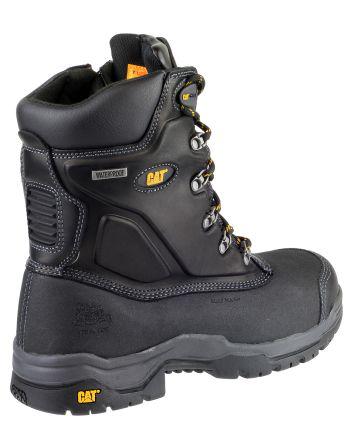
Choosing suitable footwear is an important part of protecting workers from hazards at ground level. The CAT Safety Boots combine a steel safety toe, leather upper and slip-resistant design in a durable black ankle-boot format. Manufacturer part number Supremacy 10 is intended for male wearers requiring UK size 10 footwear, equivalent to EU size 44 and US size 11. When incorporated into a broader workplace safety programme, these boots can complement PPE Combination Kits containing equipment selected for the remaining hazards identified by a site assessment.
Which Specifications Define the Supremacy 10 Model?
CAT Safety Boots are manufactured as part of the CAT Supremacy series. Their ankle-height construction provides more coverage than a low-cut safety shoe, while the combined lace and side-zip closure supports both fit adjustment and convenient access.
Key product specifications include:
- Manufacturer part number: Supremacy 10
- UK footwear size: 10
- EU footwear size: 44
- US footwear size: 11
- Colour: black
- Upper material: leather
- Safety toe: steel
- Midsole type: steel
- Closure: lace-up and zipper
- Resistance: oil and slip
- Anti-slip design: yes
- Safety classification: EN ISO 20345 SB
- Footwear style: men’s ankle boot
These details help purchasing teams compare the footwear against job requirements. Size, protection class, surface conditions and wearer comfort should all be considered before issuing any safety boot.
How Does the Steel Toe Support Workplace Protection?
The steel toe in CAT Safety Boots is intended to protect the front of the foot from impact and compression hazards. Such risks can occur when workers handle tools, construction materials, machine parts, packed goods or other heavy objects. The reinforced toe creates a protective area around the toes, reducing direct exposure when an object is accidentally dropped.
The listed EN ISO 20345 SB classification confirms that the footwear includes a safety toe meeting the basic requirements of the standard. However, buyers should not assume that every additional protection property is included simply because the boot looks heavy-duty. Requirements involving electrical hazards, water penetration, static control, cold insulation or specialised chemical exposure should be checked separately against the complete technical documentation and workplace risk assessment.
Why Are Slip and Oil Resistance Important?
Workshops, warehouses and construction areas can contain smooth floors, loose dust, water or traces of oil. CAT Safety Boots feature an anti-slip sole and are listed as resistant to oil and slipping, helping wearers maintain more secure contact with suitable working surfaces.
Slip resistance does not eliminate every fall risk. Floors should still be cleaned promptly, spills must be controlled and access routes should remain free from obstruction. Workers must also walk carefully on ladders, ramps, uneven ground and freshly contaminated surfaces. Safety footwear is most effective when combined with good housekeeping and appropriate working procedures.
The condition of the outsole matters as well. Deep cuts, embedded sharp material or heavily worn tread can reduce grip. Routine inspections therefore help employers identify boots that should be repaired or replaced.
How Do the Lace and Zipper Improve Everyday Wear?
The dual closure is one of the practical features of CAT Safety Boots. Laces allow the wearer to adjust tension around the foot and ankle, helping create a stable fit. The side zipper can make the boots quicker to put on or remove once the laces have been correctly adjusted.
A secure fit is essential because footwear that is too loose may move around the heel, while an excessively tight boot can create discomfort during long shifts. Workers should try the boots with the type of socks normally worn at work and confirm that there is sufficient toe room without excessive internal movement.
The black leather upper also offers a professional appearance suitable for construction, maintenance, logistics and industrial environments. Leather should be maintained according to the manufacturer’s instructions to help preserve its condition.
Where Can CAT Safety Boots Be Used?
CAT Safety Boots are relevant to workplaces where falling objects, manual handling and slippery surfaces may be present. Potential settings include:
- Construction and civil engineering sites
- Warehouses and distribution centres
- Manufacturing facilities
- Mechanical and engineering workshops
- Property and facilities maintenance
- Transport and logistics operations
- General trade environments
Suitability should always be confirmed for the specific workplace. A warehouse operative, maintenance technician and construction worker may encounter different hazards even when they all require protective footwear.
How Can These Boots Form Part of a Complete PPE System?
Safety footwear protects only one area of the body. In locations containing airborne fragments, dust or liquid splashes, appropriate Safety Glasses protect the eyes, while correctly selected Ear Defenders reduce exposure to hazardous workplace noise. Protection levels should be chosen according to measured or assessed risks rather than appearance alone.
Tasks generating dust, mist, fumes or other airborne contaminants may require suitable Respiratory Protection selected for the substance and exposure level. Workers who regularly operate close to the floor may also benefit from Knee Pads designed to reduce discomfort and protect against hard or uneven surfaces. These products complement safety boots but do not replace correct training, hazard controls or safe working methods.
How Should CAT Safety Boots Be Inspected and Maintained?
Before each shift, examine the toe area, leather upper, zipper, laces and outsole. Check for separation, deep cuts, exposed internal components, damaged stitching or excessive tread wear. Remove stones, metal fragments and other debris lodged in the sole.
Mud and surface contamination should be cleaned away using methods suitable for leather. Allow damp footwear to dry naturally in a ventilated location, avoiding direct heaters that could damage the upper or adhesives. The inside should also be kept clean and dry to support hygiene during repeated use.
CAT Safety Boots should be removed from service when damage could compromise their fit or protective performance. Replacement timing depends on usage, environment and condition rather than a fixed universal period.
Are CAT Safety Boots the Right Choice?
CAT Safety Boots offer a practical combination of steel protection, leather construction, anti-slip performance and an adjustable lace-and-zip closure. Their Supremacy 10 specification makes them a clear option for wearers needing black men’s safety footwear in UK size 10.
For the best result, confirm the required safety classification, assess the work environment and ensure the wearer receives the correct size. When properly selected, inspected and maintained, CAT Safety Boots can become a dependable part of a wider workplace protection system.