
Precision Diagnostics and Ergonomic Control with the Dental Pigtail Explorer
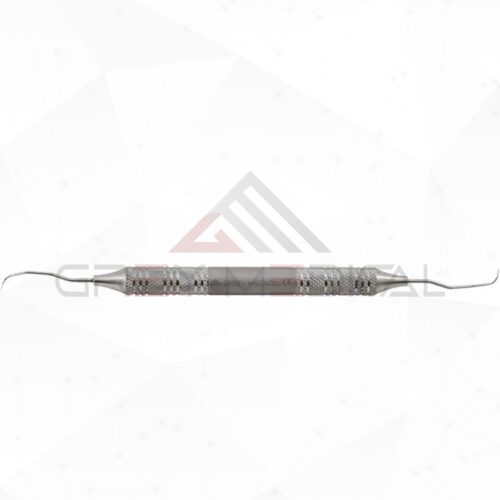
A dental pigtail explorer is a specialized diagnostic hand instrument characterized by its slender, curved working ends that resemble a tightly coiled or angled tail. This distinctive curvature allows clinicians to navigate around convex tooth surfaces, interproximal contacts, and subgingival margins without causing unnecessary trauma to delicate soft tissues. Because tactile feedback is essential during oral dental pigtail explorer examinations, the fine, tempered tip transmits subtle surface variations such as demineralized enamel, subgingival calculus, and restorative overhangs directly to the operator’s fingers.
Clinical Applications in Restorative and Preventive Dentistry
During routine checkups and complex restorative procedures, dentists rely on a dental pigtail explorer to detect early carious lesions, evaluate margin integrity around crowns and fillings, and locate canal orifices or fractures. Its curved profile reaches undercut areas that straight or sharply angled explorers often miss, giving practitioners greater confidence when assessing tooth structure. In preventive care and periodontics, careful tactile exploration helps clinicians identify rough root surfaces and plaque retention sites early, supporting timely intervention before minor issues progress into larger dental problems.
Material Quality and Sterilization Durability
High-grade medical stainless steel forms the foundation of a dependable dental pigtail explorer, providing the springiness and tip strength needed to resist bending or fracturing under repeated clinical use. Precision heat treatment ensures the fine working tips retain their sharp, responsive feel across countless autoclave cycles without losing structural integrity. Corrosion-resistant finishes and smooth transitions along the shank also simplify ultrasonic cleaning and sterilization, helping busy dental practices maintain strict infection control standards over years of daily service.
Ergonomic Handle Design and Operator Comfort
Long clinical schedules demand instruments that reduce hand fatigue while preserving fine motor control, making handle geometry just as critical as tip design. A well-balanced dental pigtail explorer with a lightweight, textured, or hollow-core grip allows the clinician to hold the instrument with a relaxed modified pen grasping forceps and apply light, controlled pressure. Better balance improves sensitivity along the working end and reduces wrist and finger strain during back-to-back patient appointments.
Selecting the Right Instrument for Your Practice
Choosing the ideal dental pigtail explorer depends on your clinical workflow, preferred handle diameter, and whether you favor double-ended configurations for versatile chairside access. Practitioners should evaluate tip stiffness, shank angulation, and surface grip to match their specific examination habits and restorative specialties. Pairing reliable diagnostic instruments with sound clinical judgment enhances efficiency at the chair and supports accurate treatment planning across general, restorative, and pediatric care.
Conclusion
Investing in precision diagnostic instruments strengthens every stage of patient care, from initial screening to post-treatment evaluation. With thoughtful tip curvature, resilient stainless steel construction, and comfortable ergonomics, a well-crafted instrument supports accurate detection and smooth clinical workflows day after day. Grey Medical remains committed to supplying healthcare professionals with durable, high-precision instruments built to perform reliably in modern clinical environments.