
Why Is a Festo Angle Seat Pneumatic Valve Efficient?
Introduction
Modern process systems need valves that switch quickly while allowing liquids, gases, steam, and viscous media to move with minimal restriction. A Festo Angle Seat Pneumatic Valve meets this need through an angled flow path, a pneumatic actuator, and a compact body designed for repeated industrial operation.
What Makes an Angle Seat Valve Different?
An angle seat valve places its sealing seat diagonally to the media flow. In Festo’s VZXF range, the seat is positioned at approximately 50 degrees, creating a relatively direct internal passage when the valve opens. This geometry supports strong flow performance while keeping the valve compact.
Compressed air acts on a separate piston or diaphragm actuator, allowing remote control without placing an electric motor on the valve body.
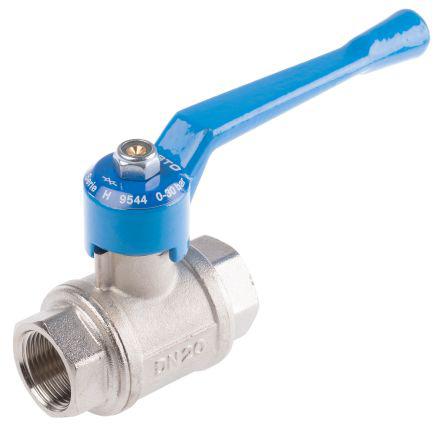
Compared with Process Ball Valves, angle seat designs are especially useful when fast automated switching is central to the process.
How Does the Valve Work?
The valve contains a seat, sealing disc, spindle, spring, and pneumatic actuator. When pilot pressure reaches the actuator, it moves the spindle and changes the position of the sealing disc.
In a normally closed version, the spring keeps the media path shut when control pressure is absent. Applying pilot air opens the line. A normally open version allows flow until the actuator receives a closing command.
The correct fail position depends on whether the process should continue or stop after control-air loss.
Where Are Angle Seat Pneumatic Valves Used?
Steam and Heating Systems
Selected Festo angle seat valves can handle vapour and elevated media temperatures when their body and sealing materials are correctly specified. They can control steam used for heating, sterilisation, washing, and process cleaning.
Within a steam installation, Steam Traps help remove condensate while the angle seat valve manages the main media flow.
Filling, Rinsing, and Cleaning Equipment
Fast on-off control makes these valves useful in filling machines, washdown systems, rinsing stations, and automated cleaning circuits. The valve can begin or stop each transfer after receiving a pilot-air command.
Festo identifies the VZXF range for gaseous, liquid, viscous, contaminated, and vapour media, although compatibility must be confirmed for the exact product code.
Water and General Utility Lines
Industrial facilities use angle seat valves for cooling water, compressed gases, compatible oils, and other utilities. They can isolate equipment, control circulation, or direct media into a machine zone.
Suitable Check Valves can prevent unwanted reverse flow elsewhere in the line while the angle seat valve performs its switching function.
What Benefits Does the Angled Design Provide?
The valve geometry offers several practical advantages:
- Fast pneumatic opening and closing
- Compact installation
- Strong flow through a direct media path
- Normally open and normally closed options
- Body and seal choices for different media
- Remote switching for automated systems
- Practical maintenance access
However, the valve must be selected as part of the complete system. Media properties, temperature, pressure, flow direction, connection size, and pilot-air conditions all affect performance.
How Should the Correct Valve Be Selected?
Match Materials to the Medium
Identify the medium, concentration, temperature, viscosity, and contamination level. Stainless steel can suit demanding or corrosion-sensitive duties, while red brass may support many general industrial applications. Festo currently offers VZXF configurations with red-brass and cast stainless-steel bodies.
Seal materials are equally important because heat, chemicals, and repeated cycling affect service life. Always use the manufacturer’s operating data for the precise configuration.
Confirm Flow Direction and Pressure
Festo angle seat valves may be designed for flow above or below the seat. The specified direction affects closing behaviour, differential pressure, vibration, and water-hammer risk.
Process pressure and actuator pressure are separate values. The media side must remain within the valve-body rating, while the actuator needs enough clean pilot air to move reliably.
Choose the Actuation and Control Method
The actuator size and spring arrangement must suit the process pressure and required fail position. Products from the Valve Actuators category can help engineers compare alternative actuation methods across wider process systems.
A pilot solenoid often controls the actuator air. Compatible Solenoid Valve Coils can support electrically commanded switching when voltage, connector, protection, and duty ratings match the application.
How Should the Valve Be Installed?
Before installation, isolate the process line, release stored pressure, and confirm that the pipework is safe to open. Check the flow arrow, connection size, sealing method, mounting position, and actuator clearance.
Good installation practices include:
- Keep the valve and pipe ends free from debris
- Support pipework to avoid body stress
- Use the approved sealing method
- Protect pilot tubing from heat and abrasion
- Leave access for inspection
- Test the system gradually
- Check all joints for leakage
Compatible Process Tubing can support flexible sections when its material, pressure, and temperature ratings suit the medium.
How Can Reliable Performance Be Maintained?
Inspect the valve body, actuator, spindle area, pilot connection, supports, and seals regularly. Slow switching, leakage, incomplete closure, or unusual noise can indicate contamination, worn seals, low pilot pressure, or incorrect installation.
Approved Washer & Seal Kits can support planned maintenance elsewhere in compatible pipework while technicians follow the specified valve-service procedure.
Keep the pilot-air supply clean, remain within stated operating limits, and replace worn parts with approved components. A documented inspection schedule can identify gradual changes before they interrupt production.
Why Choose a Festo Angle Seat Pneumatic Valve?
A Festo Angle Seat Pneumatic Valve combines fast actuation, compact construction, and efficient flow for filling, steam, water, cleaning, utility, and general process applications.
By checking material compatibility, pressure, temperature, flow direction, connection type, actuator design, and fail position, engineers can create a dependable installation that supports productive operation and practical maintenance.